
Day 01
Foundation & Strategy
- What is CUET (NTA)
- How to study the syllabus
- The way to crack the entrance
Learn • Practice • Achieve
“If you put your 150%, then you can always expect 100%.” Master both theory (250) and practical (400) with India's most-followed fine-arts mentor.



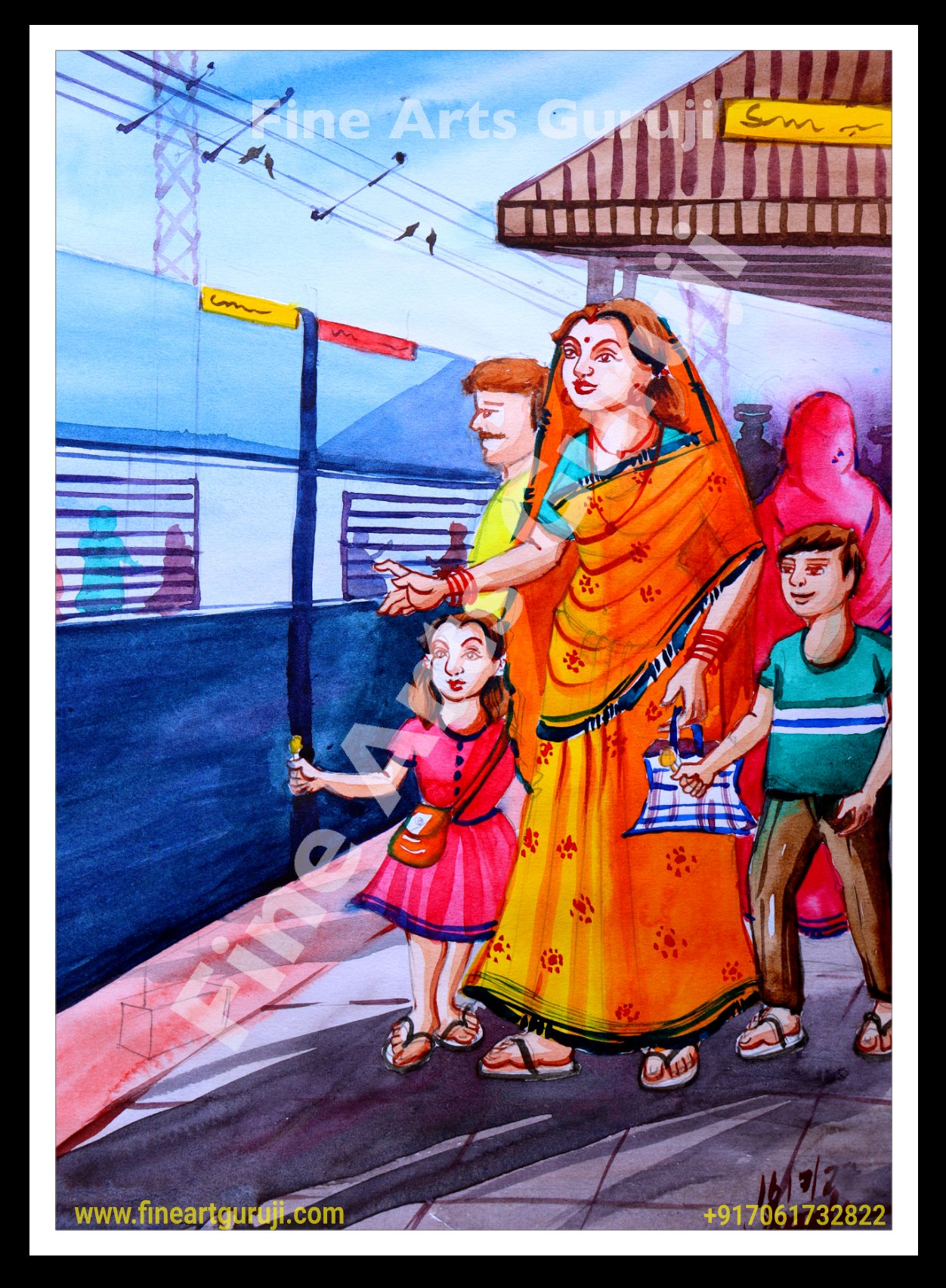
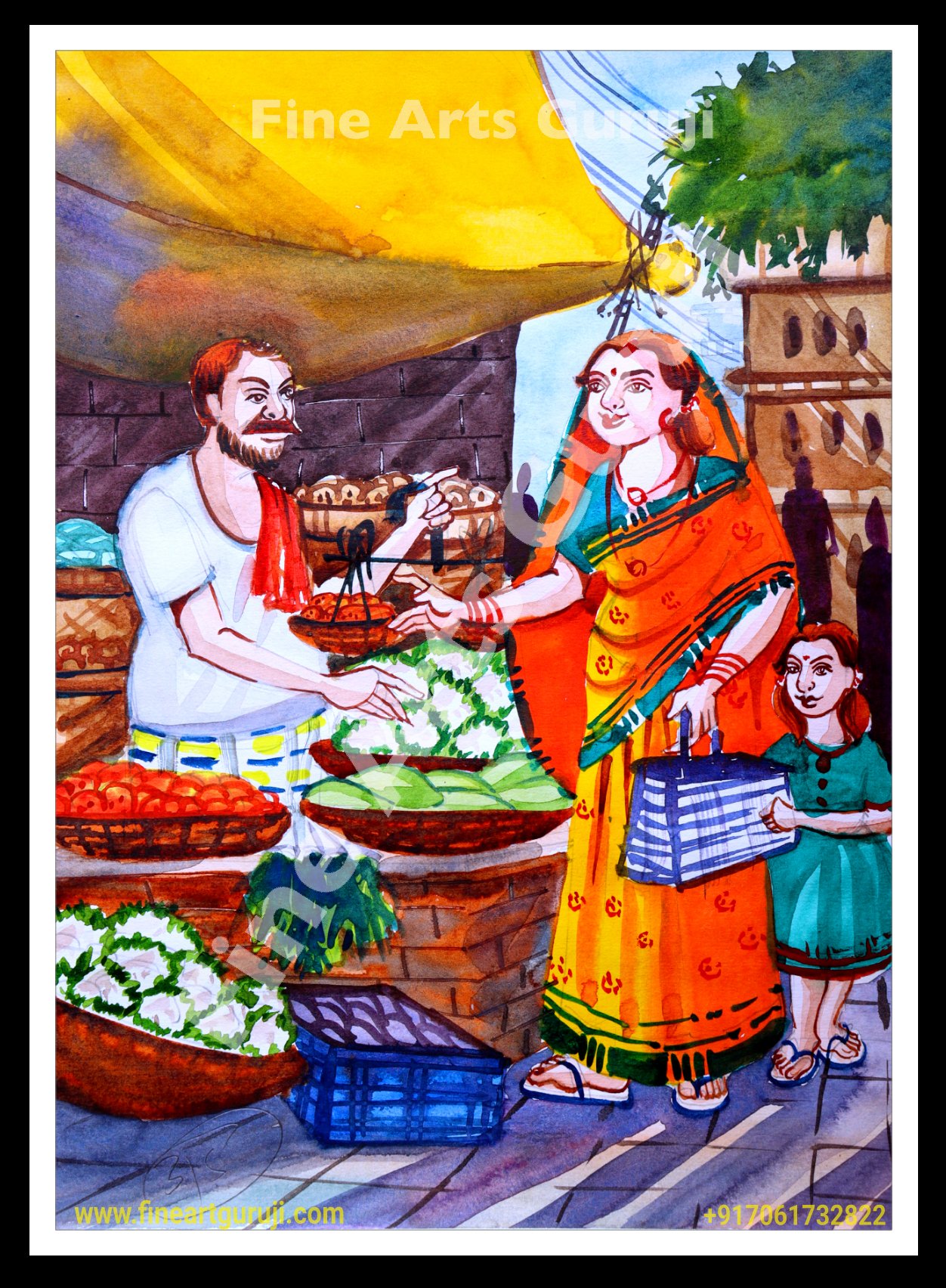
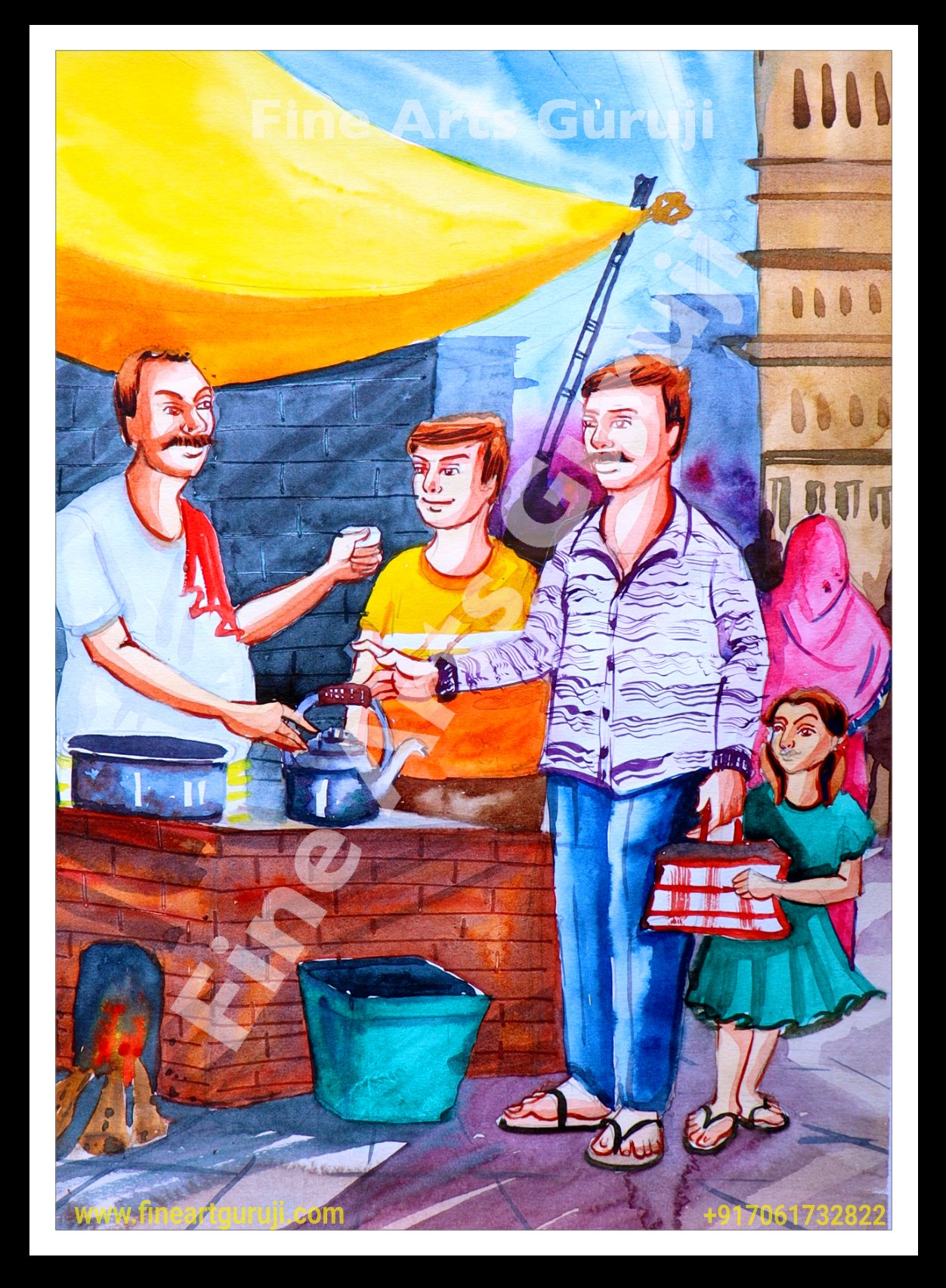
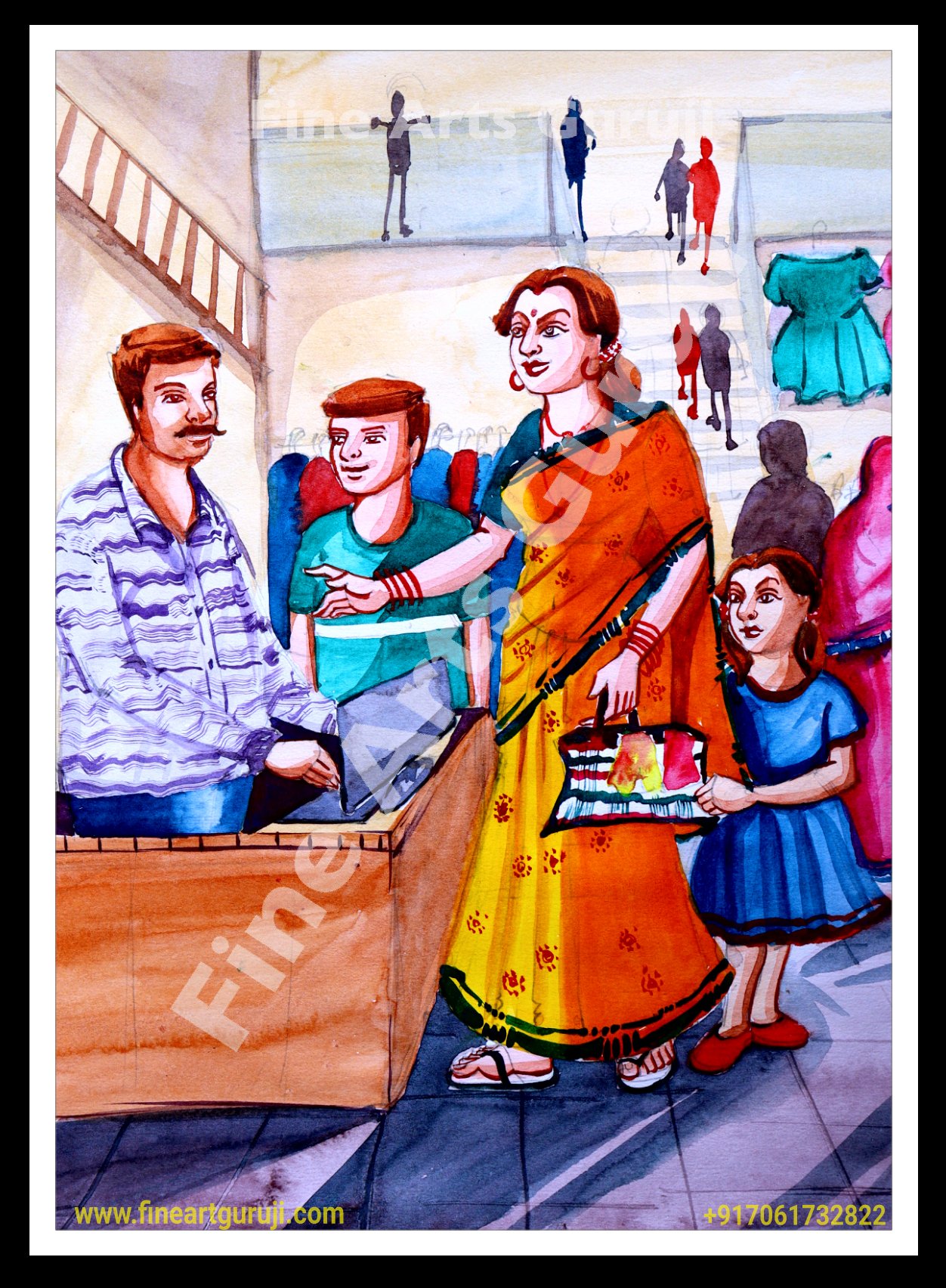
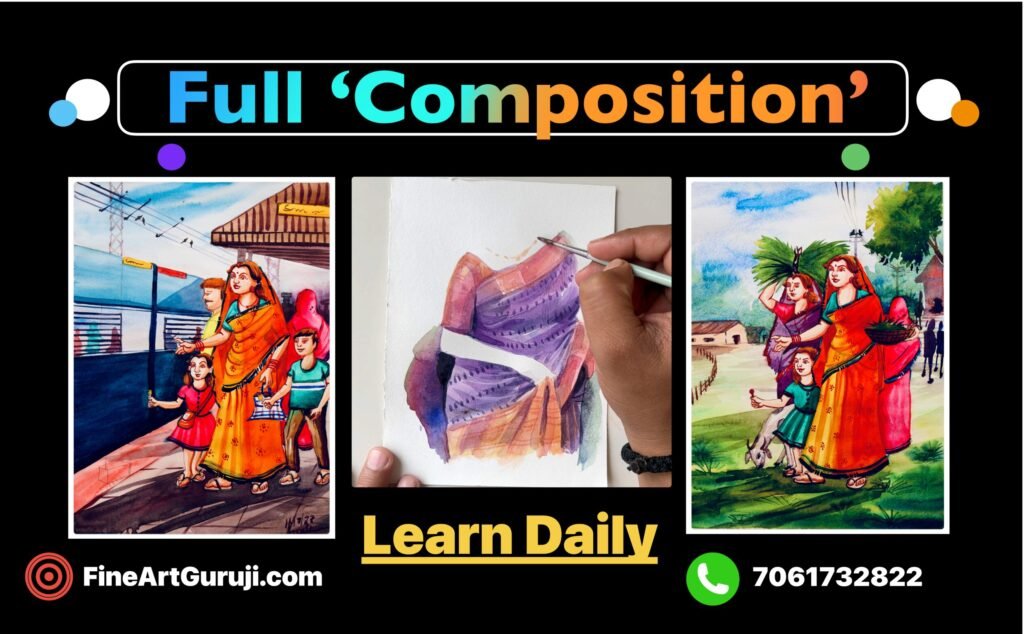
Real artworks created by students during the program — composition, colour and observation built from scratch.
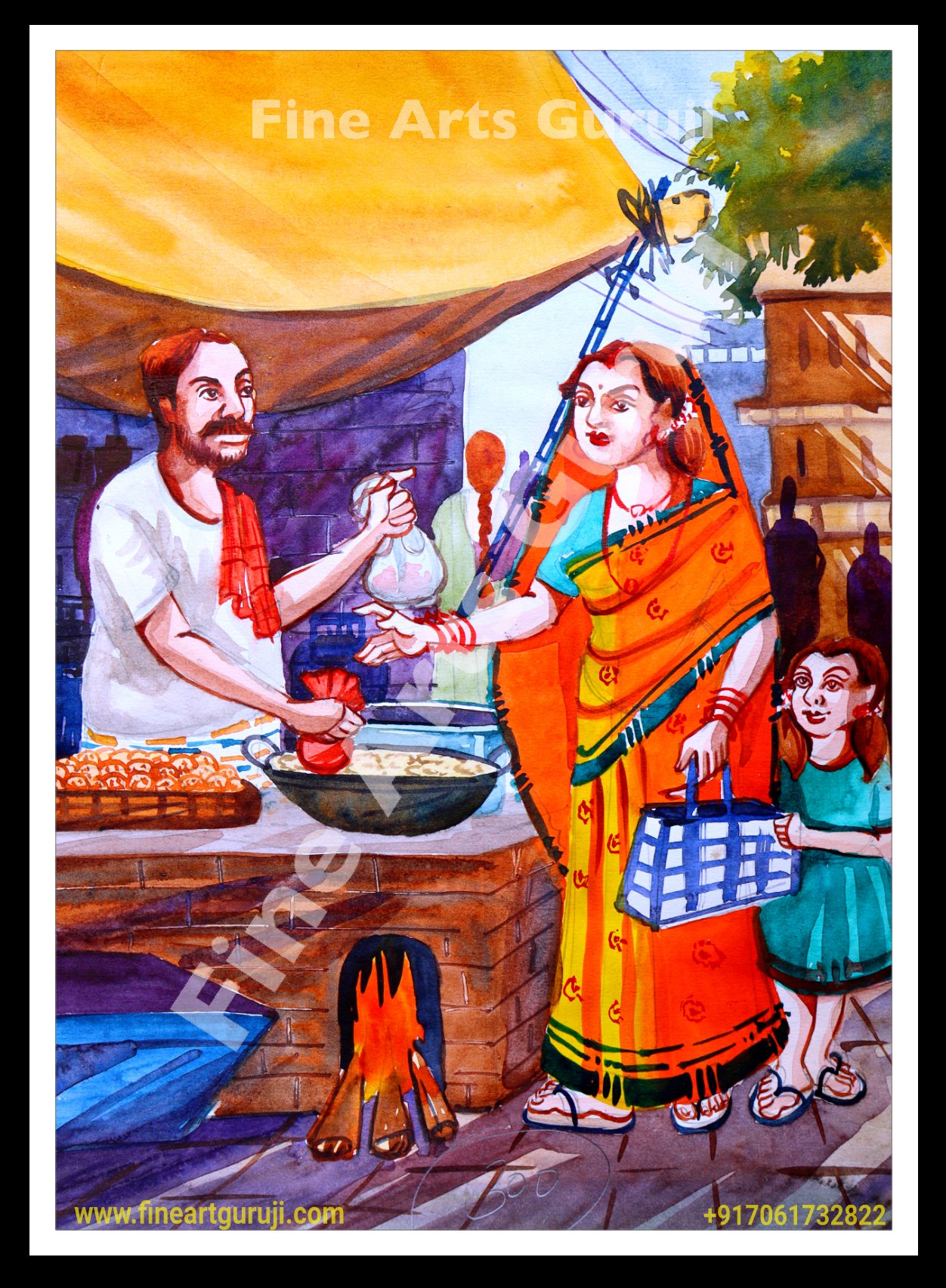
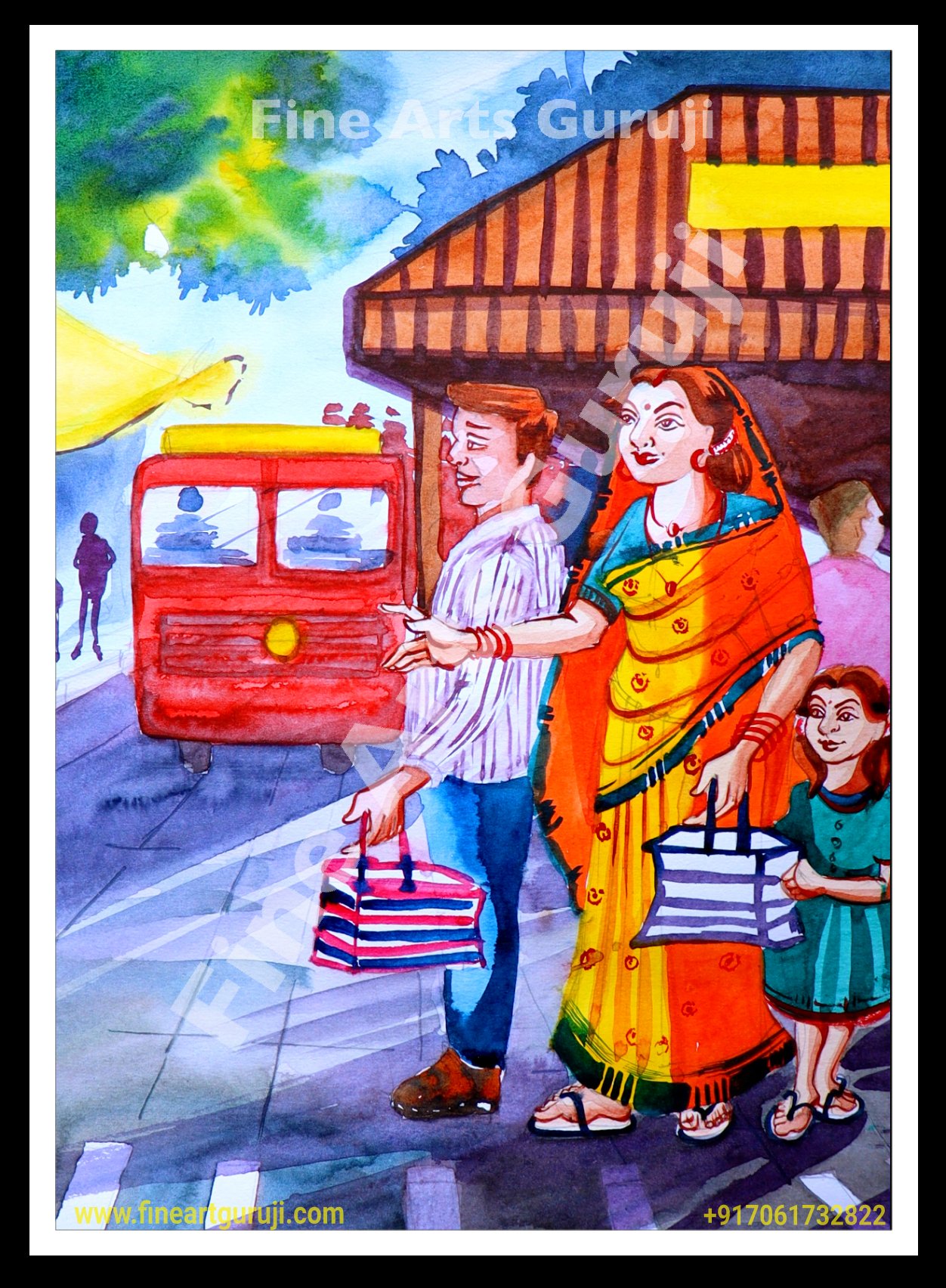
A focused, exam-oriented structure that takes you from the syllabus to scoring strategy to practical mastery.
Step-by-step method to take you from zero to 250 marks in the BFA entrance.
How to speed up your preparation 10× before the exam.
How to remember paintings by their name and time period.
How to attempt every question with the right time management.
Exam-ready study material and condensed notes you can download and revise anytime.

Genuine CUET UG 2025 score cards from students who prepared with Fine Arts Guruji.
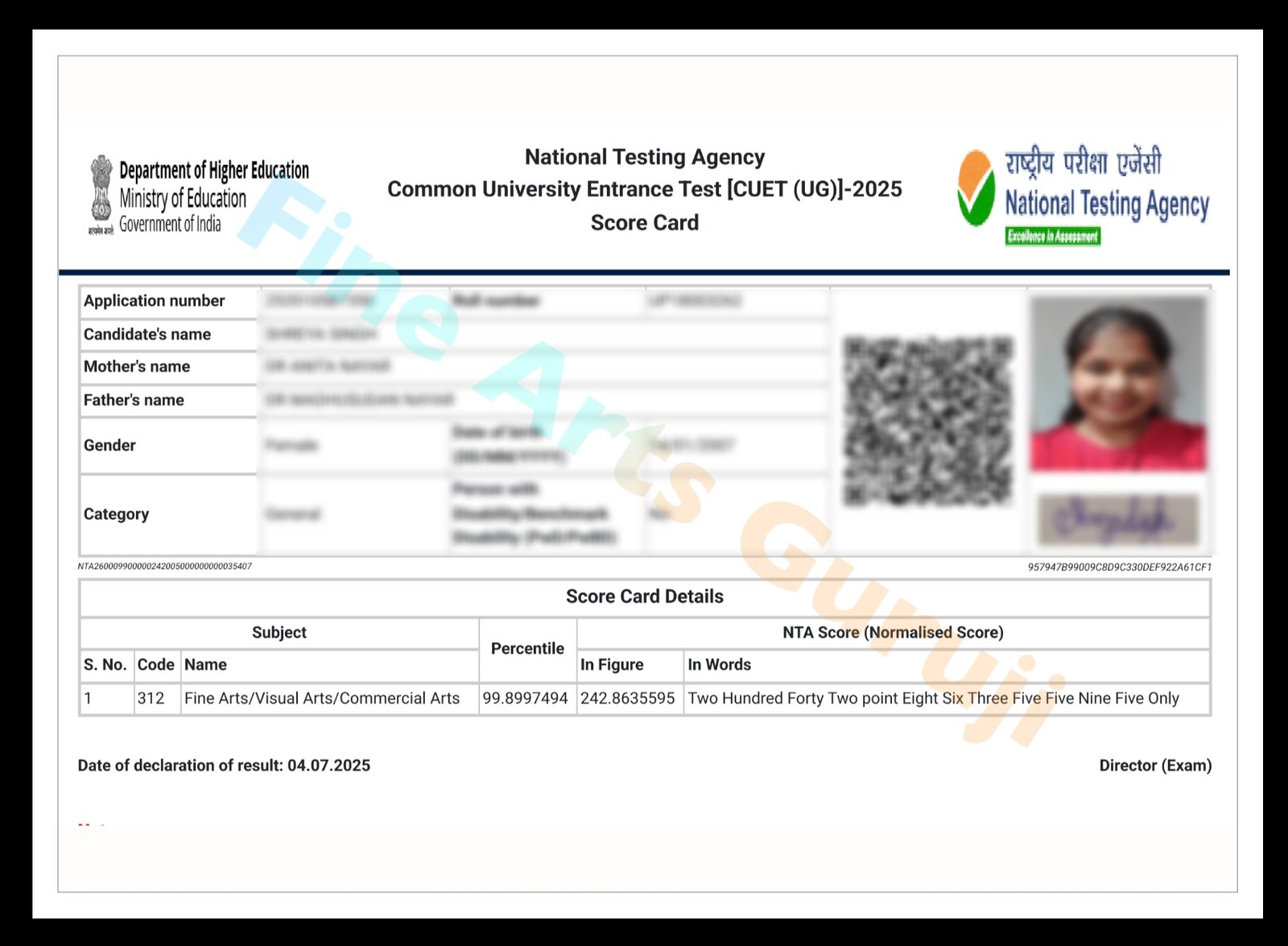
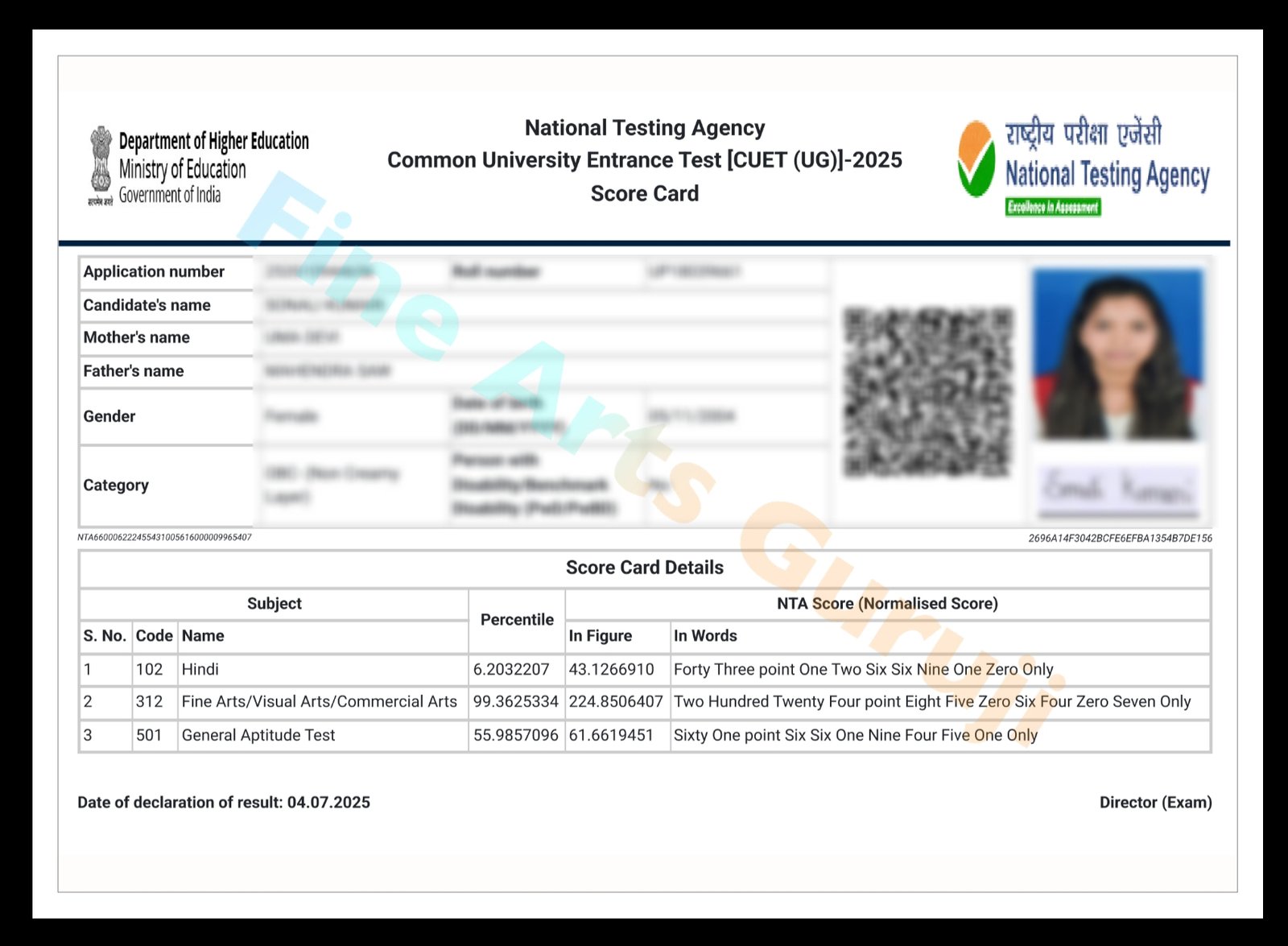
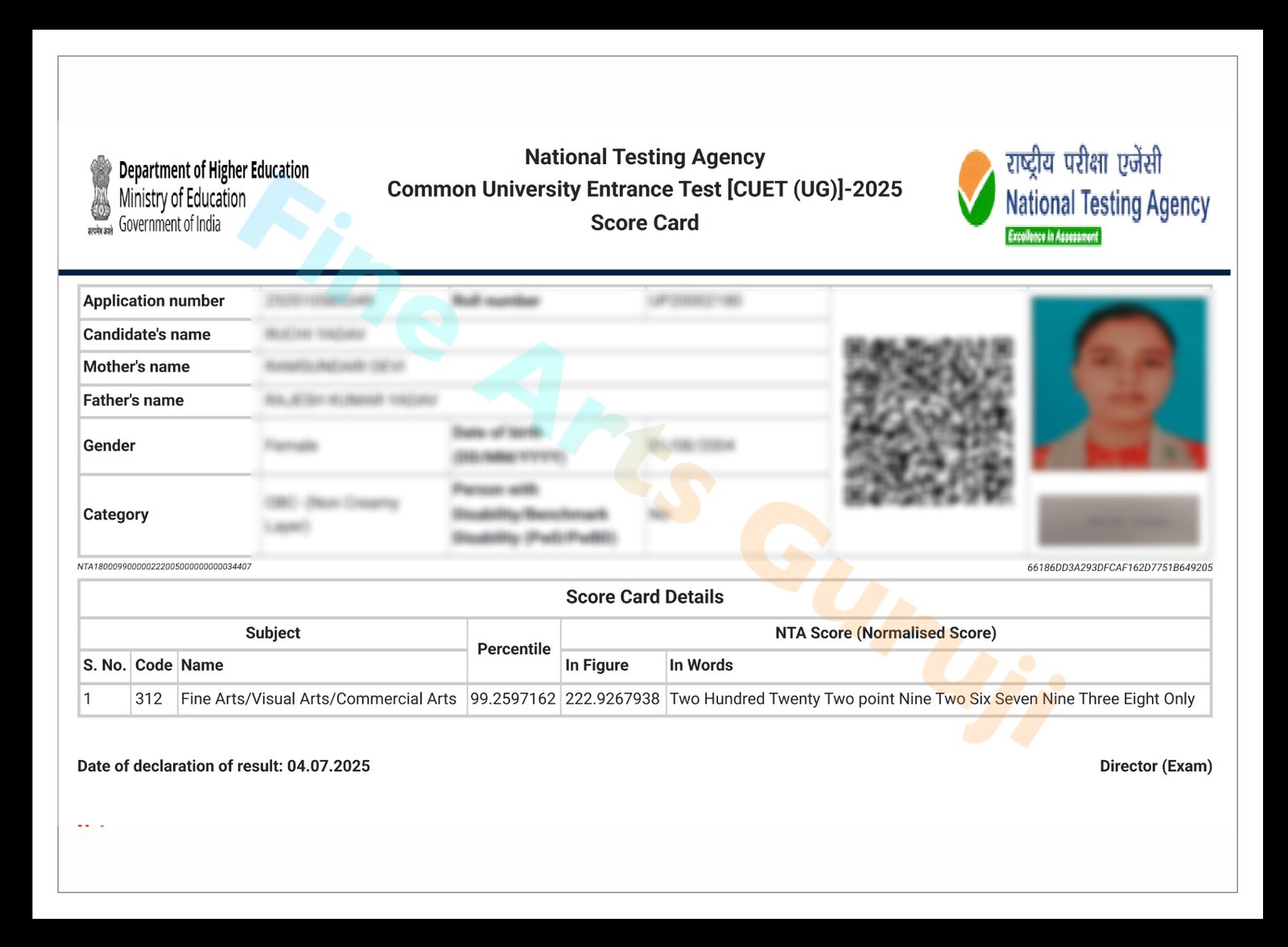
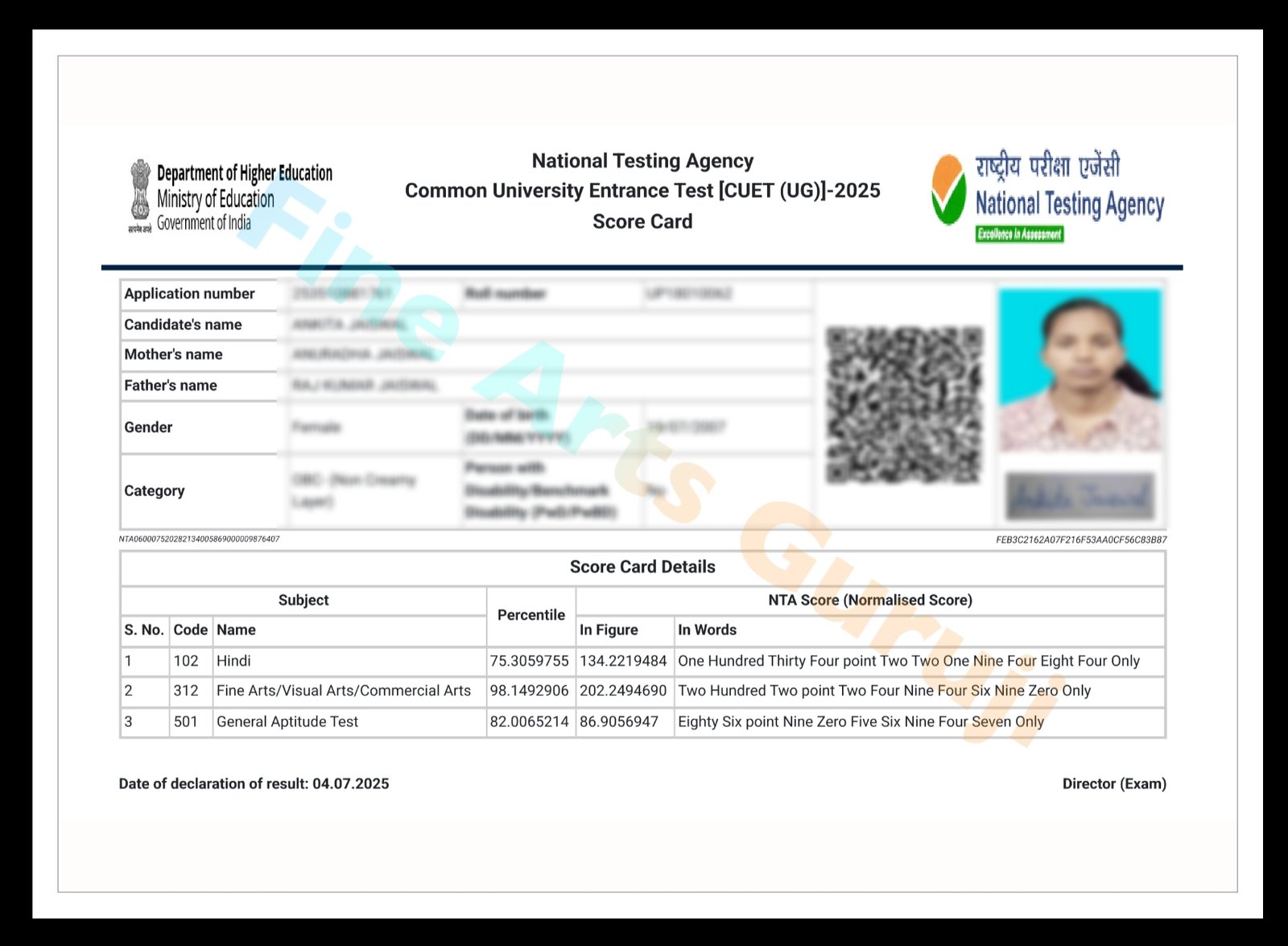
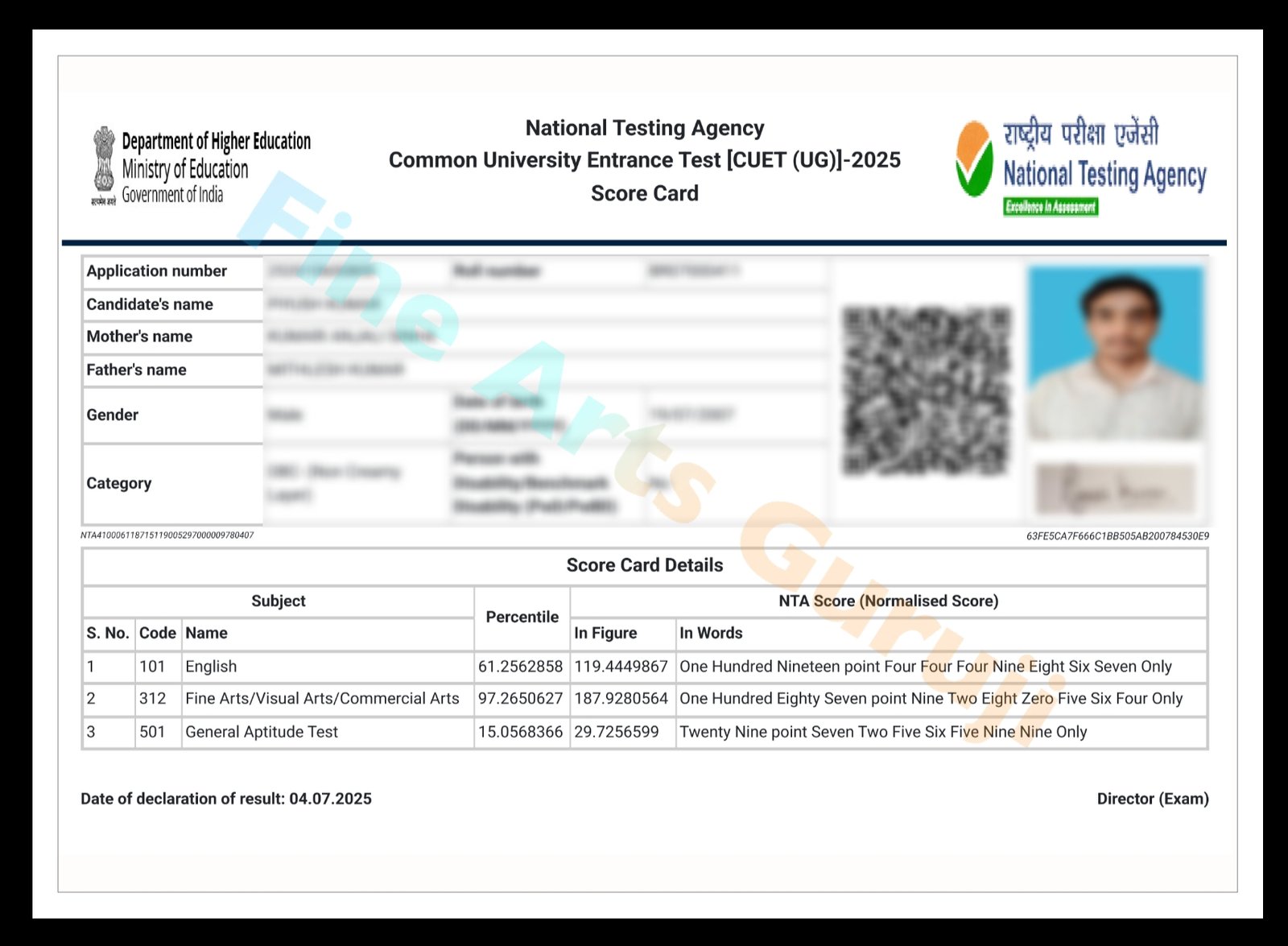
Everything you need to understand the exam landscape before you start.
A clear, repeatable plan to move from preparation to performance.
The high-yield topics and tips that make the biggest score difference.
 Art Enthusiasts
 Aspiring Artists
 Working Professionals
 Hobbyists
 Art Students
 Self-Taught Artists
Founder, Fine Arts Guruji
An artist and educator who has helped thousands of aspirants crack the BFA / CUET Fine Arts entrance. His teaching blends exam strategy with genuine artistic skill — explained simply, in Hindi and English.

CUET (312 Fine Arts) UG Course Admission
You save ₹5,000 today
📞 Reserve your seat — our team contacts you to confirm
✓ 3-Day Money-Back Guarantee — no questions asked
Most applicants are passionate artists who create at home — inspired by social media and online art communities — and want to turn that passion into a professional career with a Bachelor of Fine Arts (BFA) degree. A BFA opens many paths: professional artist, illustrator, art teacher, graphic designer, animator, curator, art entrepreneur and more.
You must have passed Class 12 (any stream) from a recognised board. Most central universities and reputed institutes require at least 50% marks in Class 12, but cut-offs can vary by institute.
Usually two stages — Theory / Written Test (250 marks): art history, general knowledge, logical reasoning, design concepts; and a Practical Test (400 marks): drawing, sketching, composition, colour application, still life, memory drawing and creative composition.
Your combined score determines your merit rank. A higher rank means a better chance at your preferred college and specialization (Painting, Applied Arts, Sculpture, etc.). You then complete counselling and document verification to secure admission.
Observation skills (sketch from real life), memory drawing, balanced storytelling composition, colour theory (warm/cool, contrast, blending), and speed & neatness to finish within time limits.
Basics of Indian & Western art history, famous artists and landmark works, art materials and design terms, the creative process, plus general aptitude & reasoning.
Professional artist/painter, illustrator/concept artist, graphic designer, art teacher/lecturer, animator/game designer, museum or gallery curator, art therapist, and freelance/commission artist.